EL NIÑO AND CLIMATE CHANGE: WHAT IT MEANS FOR SOUTH AFRICAN FARMERS
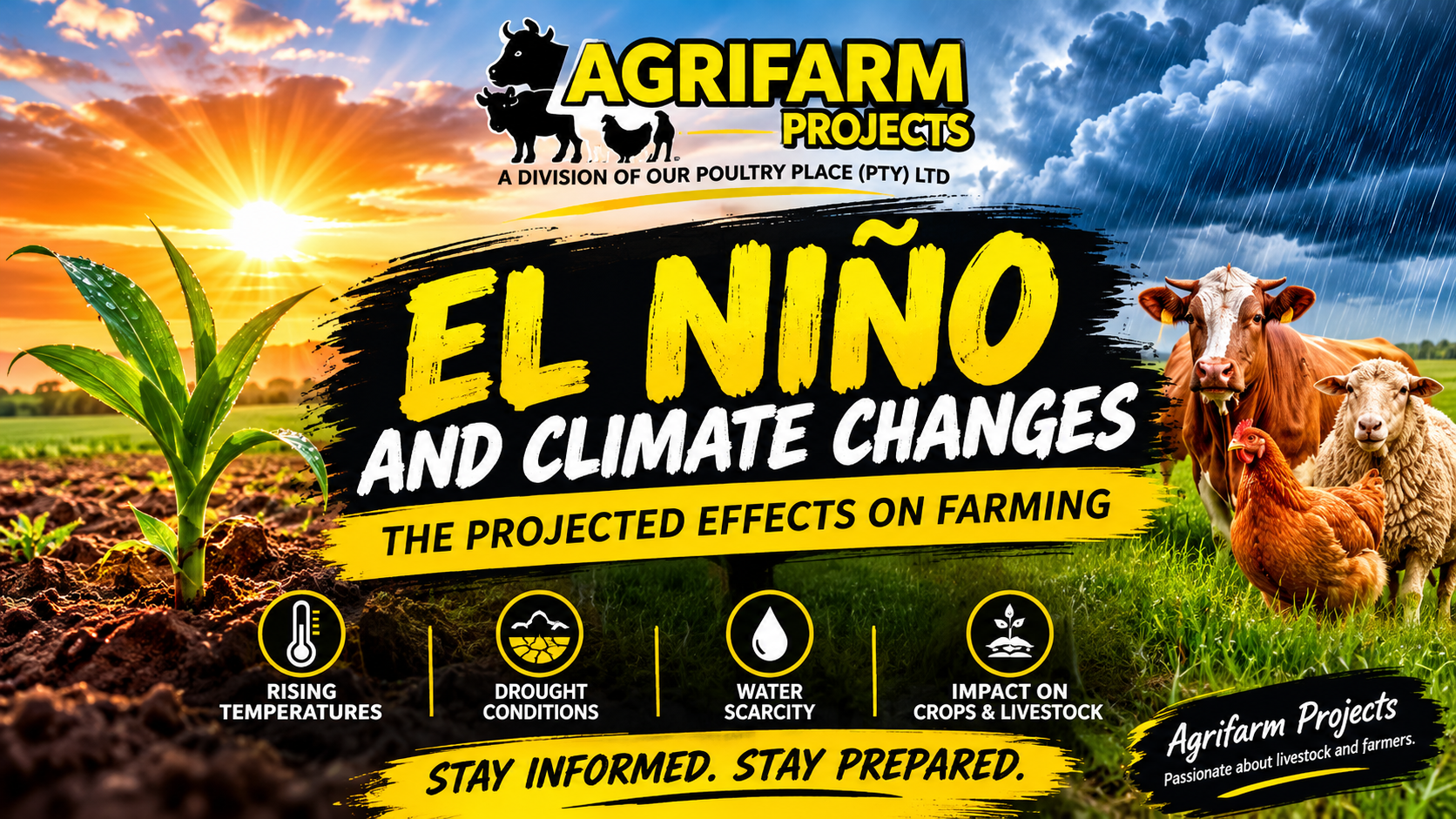
Agriculture is not a backup career. It's a future-building opportunity.
Changing weather. Real impact. Our farms.
Understanding the impact of El Niño and climate change on agriculture. Agriculture has always depended on the weather. However, as climate patterns become increasingly unpredictable, farmers are facing greater challenges in managing water resources, maintaining livestock health and protecting crop production.
One of the climate patterns that can influence agricultural conditions in South Africa is El Niño.
El Niño is a naturally occurring climate phenomenon characterised by warmer-than-normal sea surface temperatures in the central and eastern tropical Pacific Ocean. These changes influence atmospheric circulation and can affect rainfall, temperature and weather patterns across different parts of the world, including Southern Africa.
Although El Niño is a natural phenomenon, climate change is increasing the challenges farmers face. Rising average temperatures, changing rainfall patterns and more frequent or intense weather extremes can place additional pressure on agricultural production.
For farmers, understanding these changes is no longer optional.
Preparation, water management and responsible resource planning are becoming essential parts of running a sustainable farming operation.
How El Niño and climate change affect South African agriculture
South Africa's agricultural sector is particularly sensitive to changes in rainfall and temperature. While the effects of El Niño differ between regions and seasons, farmers may experience several challenges.
1. Reduced rainfall and water shortages
Below-average rainfall can place significant pressure on farming operations, particularly in areas already experiencing water scarcity.
Reduced rainfall can result in:
- Lower dam and reservoir levels.- Reduced groundwater availability.- Dry soil and declining soil moisture.- Increased irrigation requirements.- Greater competition for available water.
Farmers who rely on rainfall for crop production may experience reduced yields, while livestock farmers may struggle to maintain sufficient drinking water and grazing resources.
2. Higher temperatures and heat stress
Increasing temperatures can affect both crops and livestock.
For livestock, excessive heat can lead to reduced feed intake, slower growth, lower production and fertility challenges. Poultry are particularly vulnerable to heat stress, which can affect egg production, growth and overall flock performance.
For crops, higher temperatures can:
- Increase evaporation.- Accelerate soil moisture loss.- Affect flowering and pollination.- Reduce crop quality and yields.- Increase irrigation demand.
Providing sufficient drinking water, shade and appropriate ventilation becomes increasingly important during hot conditions.
3. Changing rainfall patterns and extreme weather
Climate change can contribute to greater variability in weather conditions. Even during periods of below-average rainfall, individual areas may experience intense rainfall events.
These conditions can increase:
- Soil erosion.- Flash flooding.- Damage to crops and infrastructure.- Disrupted planting and harvesting schedules.- Increased pressure on drainage and water management systems.
Farmers need to prepare for both dry conditions and sudden heavy rainfall.
4. Pressure on grazing and livestock nutrition
Drought conditions can reduce the availability and nutritional quality of natural grazing.This can place additional pressure on sheep, goats and cattle, particularly where farmers depend on natural veld for feed. Maintaining livestock condition may require additional nutritional support, including protein supplements, phosphate and essential minerals. Planning supplementary feeding before grazing conditions deteriorate can help farmers manage feed shortages more effectively.
5. Increased production costs
Water shortages, supplementary feed requirements, irrigation expenses and reduced production can all increase the financial pressure on farming businesses. Preparation is therefore not only about protecting crops and animals.
It is also about managing operating costs, reducing avoidable losses and protecting long-term profitability. Preparing your farm for changing climate conditions
Although farmers cannot control the weather, they can take practical steps to reduce their exposure to climate-related risks.
Water management should be a priority.
Consider installing additional water storage, maintaining pumps and pipelines, checking troughs and using water-efficient irrigation systems.
Protect livestock against heat stress.
Ensure animals have access to clean drinking water, sufficient shade and appropriate nutritional support.
Plan for supplementary feeding.
Monitor grazing conditions and prepare livestock feed and mineral supplementation strategies before shortages become critical.
Improve irrigation efficiency.
Drip irrigation can help deliver water closer to plant roots, reducing unnecessary water loss and improving water management.
Monitor weather conditions.
Follow reliable weather forecasts and agricultural advisories to make informed decisions about planting, irrigation, livestock management and harvesting.
AGRIFARM PROJECTS: PRACTICAL SOLUTIONS FOR CHANGING FARMING CONDITIONS
Preparing for drought and unpredictable weather does not have to mean investing in an entirely new farming operation. Sometimes, the right combination of essential products can make a meaningful difference.
Agrifarm Projects has put together practical farming packages to help farmers improve water availability, manage livestock nutrition and prepare their operations for challenging conditions.Agrifarm Projects has put together practical farming packages to help farmers improve water availability, manage livestock nutrition and prepare their operations for challenging conditions.